

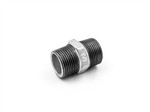


Types Of Ductile Iron Pipe Joints
Description
When it comes to ductile iron pipe joints, there are several types to choose from depending on the specific needs of the project. One of the most versatile options is the mechanical joint, which utilizes washers and fasteners to connect two pipe segments together. This type of joint can be used both above ground and underground and is capable of accommodating various pipe sizes.
For a simpler installation process, many choose to use push-in joints. With this type of joint, one end of the pipe is inserted into another and secured with a flexible gasket to create a waterproof seal. Push-in joints require no special equipment and are capable of withstanding high levels of pressure, making them a popular choice for high-pressure applications.
Another option for ductile iron pipe joints is the flange joint. This type of joint involves connecting two sections of pipeline using bolts or nuts to attach a flanged end to the adjoining segment. Flange joints are typically used for larger diameter pipelines and can be used in both above ground and underground settings.
Overall, the choice of ductile iron pipe joint will depend on the specific needs of a given project, including factors such as pipe diameter, pressure requirements, and installation preferences. With several options to choose from, it's important to carefully evaluate the options and select the one that best meets the project's needs.
Features
1. High strength
Ductile iron is the primary material utilized for making the pipe joints, and it is renowned for its remarkable durability. Due to the ductile iron's high tensile strength, these pipes are less likely to crack or leak while in use.
2. Good corrosion resistance
Through a unique process of treatment, the surface of the pipeline can be covered with a thick layer of iron oxide, which serves as a powerful shield against corrosion. This innovative treatment solution effectively safeguards the pipeline from any potential damage caused by corrosion during its operational lifespan.
3. Easy installation
Various connection methods, such as flange connection and sleeve connection, offer a convenient and fast installation process. These connection forms are compatible with other pipeline connections, catering to a wide range of needs.
4. Strong compressive bearing capacity
During usage, the pipeline must be able to endure substantial torque and pressure to guarantee both its safety and stability.

Hot Tags: types of ductile iron pipe joints, China types of ductile iron pipe joints factory
You Might Also Like

Send Inquiry